
Beyond the Grant: Why the Tony Elumelu Foundation’s 2026 Cohort is a Blueprint for Africa’s AI and Green Revolution

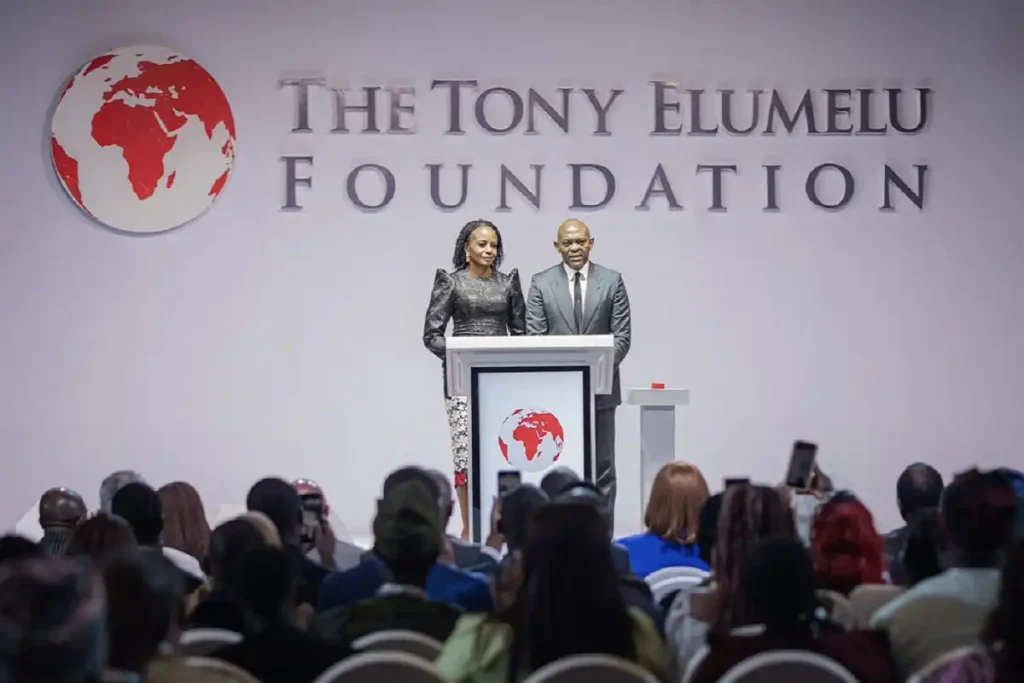
The Tony Elumelu Foundation (TEF) has once again raised the bar for philanthropic impact in Africa. On March 22, 2026, the foundation announced the selection of 3,200 young entrepreneurs for its 2026 Entrepreneurship Programme, marking not just a milestone in its twelve-year journey, but a strategic pivot toward future-proofing the continent’s economy.
In a high-level virtual media parley, CEO Somachi Chris-Asoluka detailed how this year’s cohort represents the most inclusive and forward-thinking group in the foundation’s history—a decisive move to harness the twin forces of artificial intelligence and climate resilience.
A Historic Scale with a Laser Focus
The numbers are staggering. With 3,200 beneficiaries, the 2026 cohort is one of the largest single-group selections by a philanthropic organization in Africa. However, as Chris-Asoluka noted, the true excitement lies in the “gender and geographic distribution.”
“The numbers you’re going to see tomorrow, and the breakdown of those numbers, are incredibly exciting because they reflect our commitment to ensuring that no African entrepreneur is left behind, regardless of their gender or location.”
This inclusivity is by design. The foundation is aggressively targeting sectors with the highest potential for growth and social impact—agriculture, retail, healthcare, and the rapidly expanding green economy—ensuring that funding reaches the overlooked regions and demographics that traditional venture capital often bypasses.
The 2026 Strategic Shift: AI and the Green Economy
In a departure from previous years, the 2026 programme is not just about business basics; it is about technological integration. Chris-Asoluka emphasized that in 2026, “all businesses had to begin to integrate AI to remain competitive.”
To address this, the foundation has armed its newest cohort with:
- AI Thinking: Training designed to integrate artificial intelligence into core business operations, from logistics optimization to customer acquisition.
- Green Business Management: Specialized modules to help entrepreneurs build climate-resilient models and capitalize on the global push for sustainability.
This strategic shift underscores the foundation’s philosophy of Africapitalism—the belief that the private sector, led by entrepreneurs, is the key to Africa’s economic transformation. “Entrepreneurs alone have the capacity, the resources, and the talent to create the millions of jobs our continent so desperately needs,” Chris-Asoluka stated.
The Ecosystem: More Than Just a $5,000 Grant
One of the standout revelations from the media parley was the foundation’s impressive internal data: a 75 per cent survival rate for its funded startups after five years. This figure is a striking anomaly in the startup world, where the global average failure rate for new businesses hovers between 80-90% in the first five years.
This success is attributed to the holistic, long-term nature of the intervention. Entrepreneurs receive:
- Seed Capital: A $5,000 non-returnable grant to provide immediate liquidity.
- Mentorship: Structured guidance from industry experts.
- Lifelong Alumni Network: Access to a community of over 20,000 previous beneficiaries, creating opportunities for collaboration and scaling.
“We don’t just provide a grant and walk away; we have a lifelong relationship with our entrepreneurs because our goal is to see them grow into large-scale enterprises,” Chris-Asoluka explained.
Bridging the Gap: Advocacy for Infrastructure
Beyond individual business support, the foundation is doubling down on advocacy. Chris-Asoluka highlighted the unsustainable burden of infrastructure deficits on small businesses, specifically the cost of energy.
“It was not sustainable for small businesses to spend the bulk of their income on fuelling generators… we work to help policymakers understand the absolute necessity of road networks and stable power for these entrepreneurs to thrive.”
By bringing entrepreneurs and policymakers to the same table, TEF is working to solve systemic hurdles like electricity access and tax regulations, recognizing that a startup ecosystem cannot flourish in an infrastructure vacuum.
A Note to the Resilient
For the thousands who applied but were not selected, Chris-Asoluka offered a perspective rooted in the foundation’s own data: nearly 30 per cent of their most successful alumni were only accepted on their second or third attempt.
Shifting the Narrative
As the foundation prepares for the official unveiling on March 22, Chris-Asoluka urged the media and stakeholders to change the global perception of Africa.
“We cannot change the perception of our continent from negative to positive without telling these success stories of small businesses in our communities.”
The 3,200 entrepreneurs selected for 2026 are not just grant recipients; they are, in her words, “the next generation of the African private sector who will lead the continent’s AI and green revolution into the next decade.”
Key Highlights for Social Media (LinkedIn/Twitter)
- The Headline: TEF selects 3,200 entrepreneurs for the 2026 cohort—the largest and most inclusive in its 12-year history.
- The Stats: Funded startups show a 75% survival rate after 5 years, defying global averages.
- The Shift: Focus is on AI Integration and Green Business Management to future-proof African SMEs.
- The Philosophy: Africapitalism in action—private sector-led poverty eradication.
- The Partners: Supported by the Dutch Government, Young Africa Unlimited, and UNDP.
- The Reality Check: 30% of successful alumni were accepted on their 2nd or 3rd try. Persistence pays.
A Note on the Partners
The 2026 cohort will be managed in four distinct groups, supported by a coalition of global partners. This scaled-up approach includes:
- The Dutch Government: Providing institutional support and funding.
- Young Africa Unlimited: Focusing on youth empowerment and skills alignment.
- United Nations Development Programme (UNDP): Leveraging global development expertise to ensure sustainable impact.
This multi-partner model allows the foundation to distribute resources efficiently while maintaining the quality of mentorship and support across the continent.